Can veneers be removed with a laser?
In selected cases, yes. Er,Cr:YSGG studies have shown reduced debonding force for certain ceramic veneers, but the effect depends on material, cement, thickness and protocol.
SAIZ · SIGNATURE DENTISTRY
Removing a bonded ceramic veneer can require rotary instruments. In selected situations, erbium laser energy can assist debonding by reducing the force needed to separate certain ceramic veneers from the resin-cement interface. Material, thickness, cement and clinical conditions matter.
Arrange a consultation ↗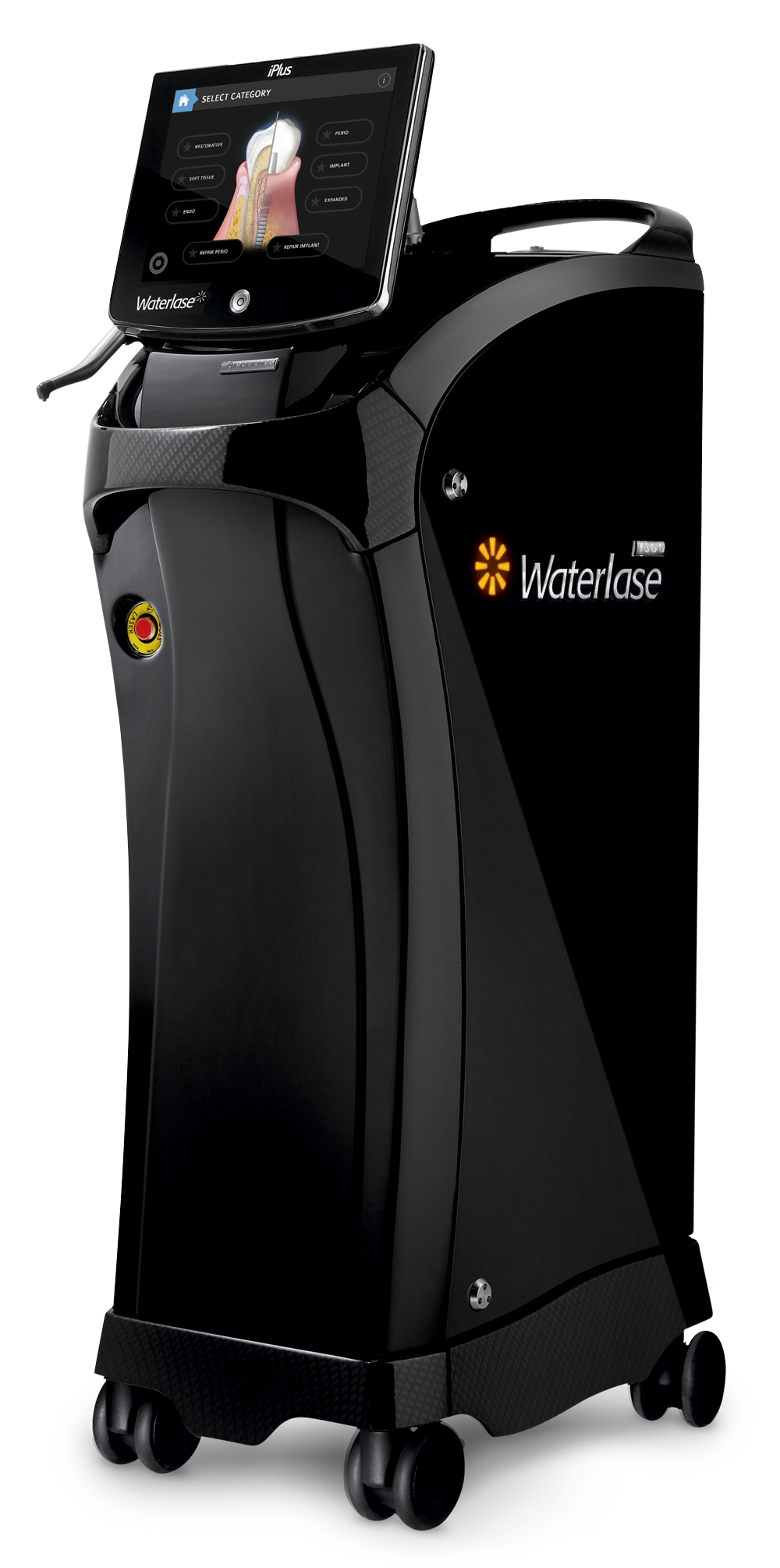
DIRECT ANSWERS
In selected cases, yes. Er,Cr:YSGG studies have shown reduced debonding force for certain ceramic veneers, but the effect depends on material, cement, thickness and protocol.
Published experimental work and a 2026 clinical report describe Er,Cr:YSGG-assisted lithium-disilicate veneer debonding. This does not mean every restoration will respond in the same way.
No. Laser assistance may facilitate debonding, but conventional instruments can still be required depending on the restoration and clinical situation.
A rotary instrument removes material mechanically. Er,Cr:YSGG laser energy can pass through certain ceramics and interact with the bonded interface, reducing retention and making mechanical separation easier in selected cases.
This effect is material- and protocol-dependent. It should not be described as a universal way to remove every veneer.
Published studies have evaluated feldspathic ceramic and lithium-disilicate restorations. Transmission of laser energy and debonding behaviour vary with material, restoration thickness, opacity, cement and laser parameters.
That is why the existing restoration should be identified as accurately as possible before choosing the removal strategy.
Minimally invasive dentistry does not end when a veneer is bonded. If a restoration later needs replacement, the amount of natural tooth beneath it and the method used to remove the restoration still matter.
Laser-assisted removal is therefore considered a possible tool within a broader preservation strategy rather than a promise of completely bur-free treatment.
A 2020 in-vitro study found substantially lower debonding force for feldspathic veneers after Er,Cr:YSGG irradiation. A 2026 clinical report described removal of six lithium-disilicate veneers with minimal mechanical force and no reported ceramic fracture, enamel damage or pulpal sensitivity in that patient.
These findings are relevant but do not establish that every material, cement or clinical case will behave the same way.
YOUR QUESTIONS
In selected cases, yes. Er,Cr:YSGG studies have shown reduced debonding force for certain ceramic veneers. Suitability depends on the restoration and clinical conditions.
Published experimental work and a 2026 clinical report describe Er,Cr:YSGG-assisted debonding of lithium-disilicate veneers. This does not mean every lithium-disilicate veneer can be removed in the same way.
No. Laser assistance may reduce the force needed for debonding, but conventional instruments may still be required when the restoration does not respond predictably or when additional material must be removed.
No. Reuse cannot be guaranteed. The restoration may be damaged, altered or clinically unsuitable for reuse even if it is removed intact.
Potentially, yes, but the individual veneer, adjacent restorations, material and reason for removal all need to be assessed before choosing the technique.
We will help you understand the options for your own smile.
Talk to the team ↗Barcelona · Madrid · Marbella