Price
€725 per ceramic veneer in all three clinics. Your quotation identifies the teeth to treat and any additional procedures.
See prices →ULTRA-THIN CERAMIC VENEERS
You may know exactly what you want to change, or simply feel that something about your smile is not quite yours. We help you understand it and, when clinically appropriate, improve it while preserving natural tooth structure.
Barcelona · Madrid · Marbella
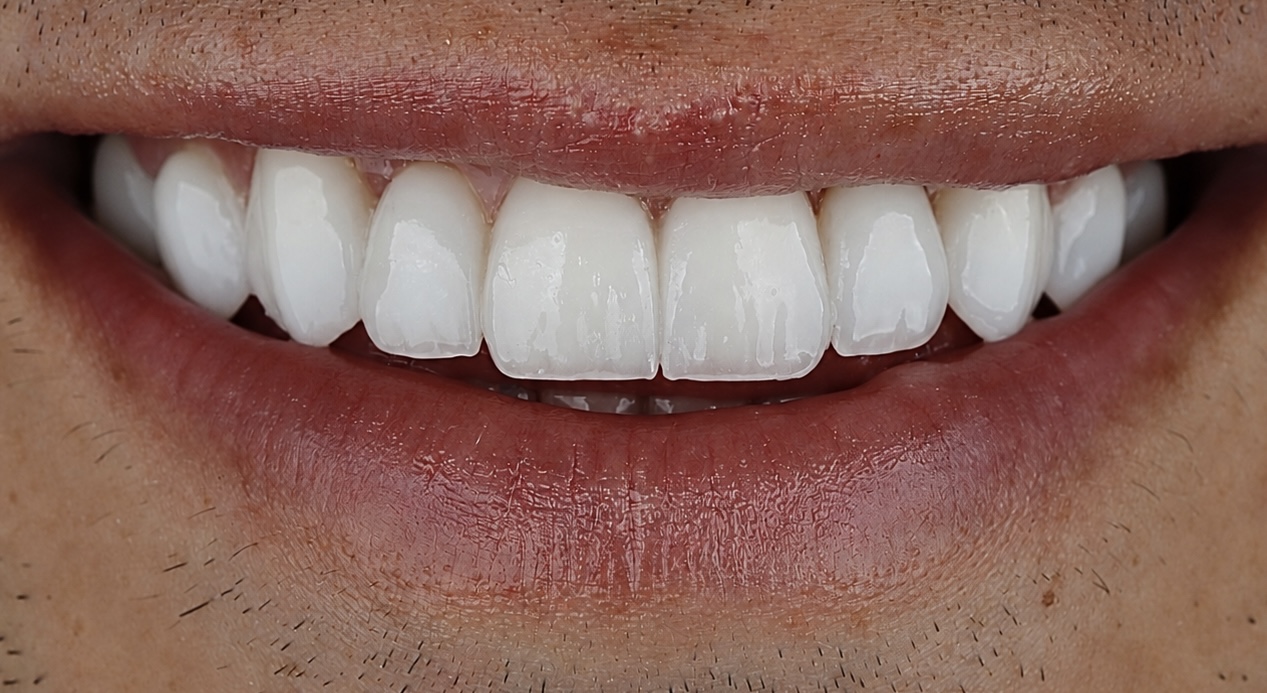
€725 per ceramic veneer in all three clinics. Your quotation identifies the teeth to treat and any additional procedures.
See prices →No-prep when clinically suitable. We assess each tooth and explain any preparation or alternatives before you decide.
Understand no-prep →Usually three main visits over approximately two weeks, followed by a review. Your clinical assessment determines the schedule.
See the process →There is no need to have all the answers before you come. Tell us what you hope for and what concerns you. We will listen, assess your smile and explain the options so you can decide with a clearer understanding.
€725 per ceramic veneer in Barcelona, Madrid and Marbella. Any additional treatment is itemised in your quotation.
Free first assessment with the local clinical team.
Request an assessment in Barcelona →Free first assessment with the local clinical team.
Request an assessment in Madrid →Assessment with Dr Carlos Saiz: €60.
Request an assessment in Marbella →Sending a request does not confirm an appointment. The team will contact you to arrange the next step. Your treatment plan and quotation follow the clinical assessment.
Prefer to start remotely? Send photographs for an initial assessment. Photographs do not replace an in-person examination.
SAIZ CERAMICS
Translucency at the edge
Subtle texture and reflections
Designed for each smile
SAIZ · HAND-LAYERED CERAMICS
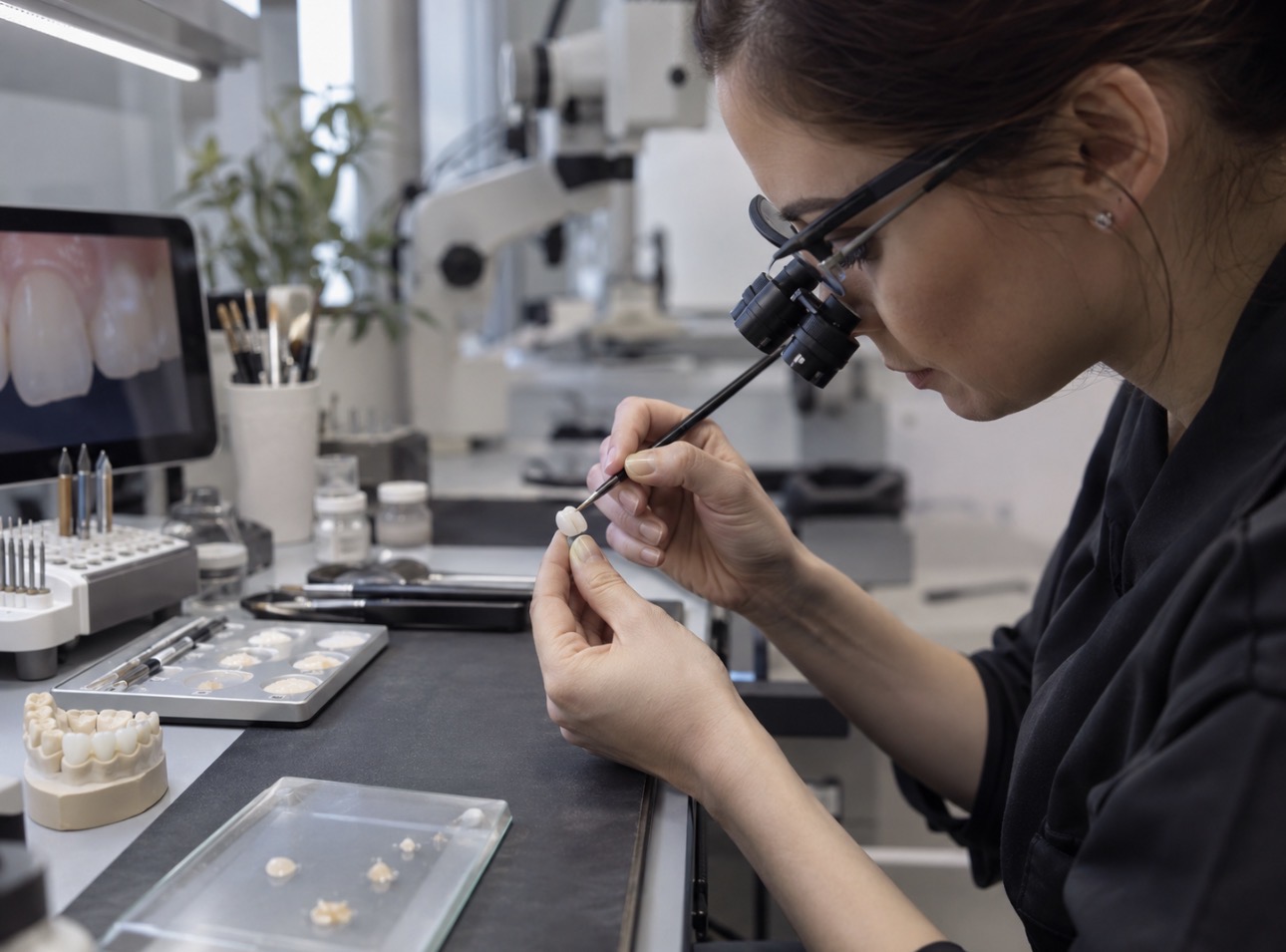
At SAIZ, we use lithium-disilicate veneers, individually layered and finished by hand by international ceramists personally trained by Dr. Carlos Saiz.
For our current aesthetic veneer protocol, layered lithium-disilicate ceramics are the standard approach; monolithic veneers are not our standard protocol.
Because we have chosen to build naturalness layer by layer.
The difference lies in how the ceramic is built. A monolithic restoration does not have a hand-layered ceramic veneer over its structure, although its surface can be individually characterised. In our approach, the ceramist adds and shapes layers of ceramic to work on the individual nuances of each piece. [1]
This layering allows us to adjust brightness, translucency and the optical effects we aim to reproduce from a natural tooth. [2]
We pay particular attention to translucency at the incisal edge — the tip of the tooth — as well as shape, texture and brightness. Our aim is a natural smile, designed for you.
We are not simply aiming for whiter teeth. We want a smile that still feels like your own.
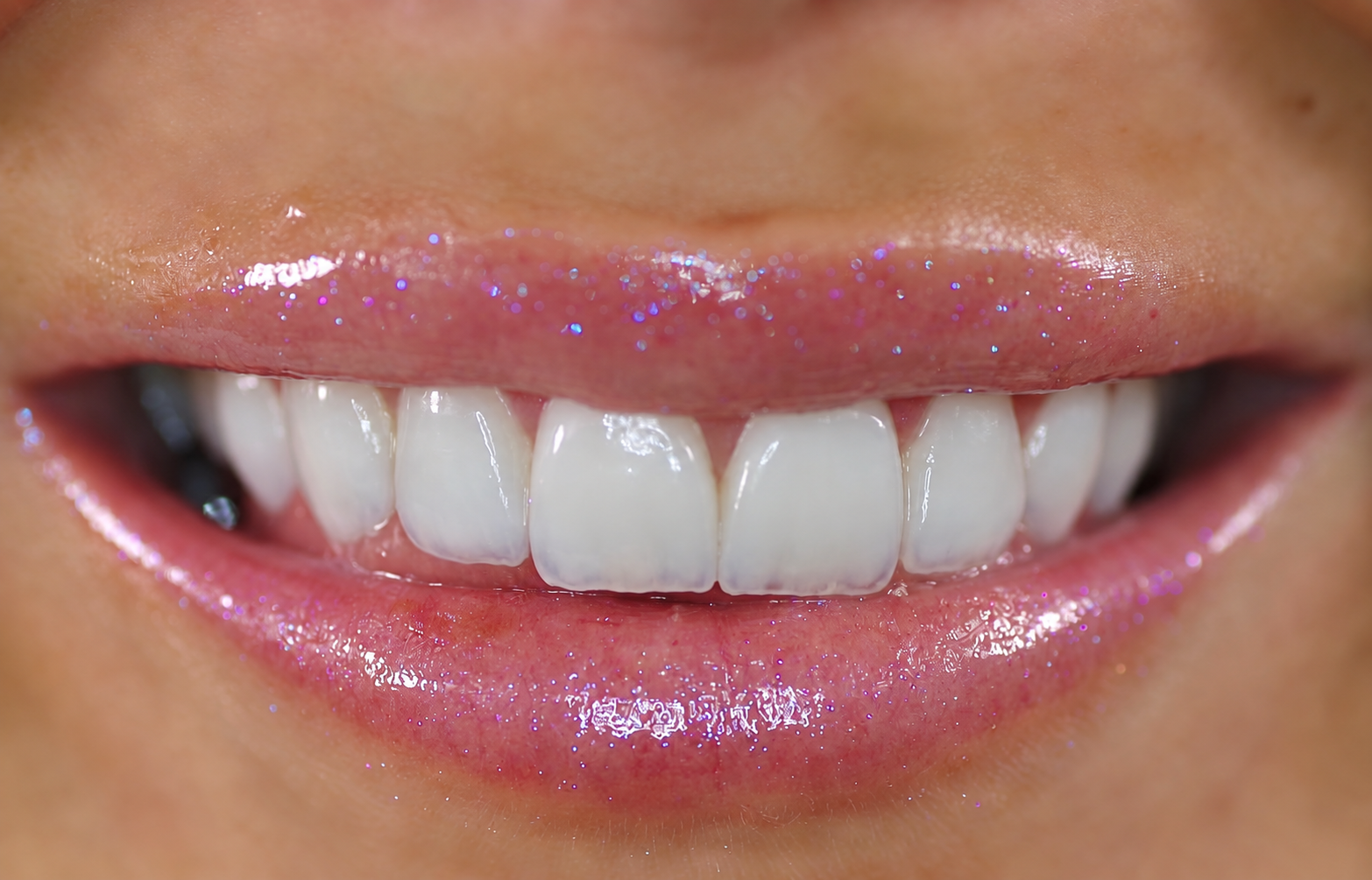
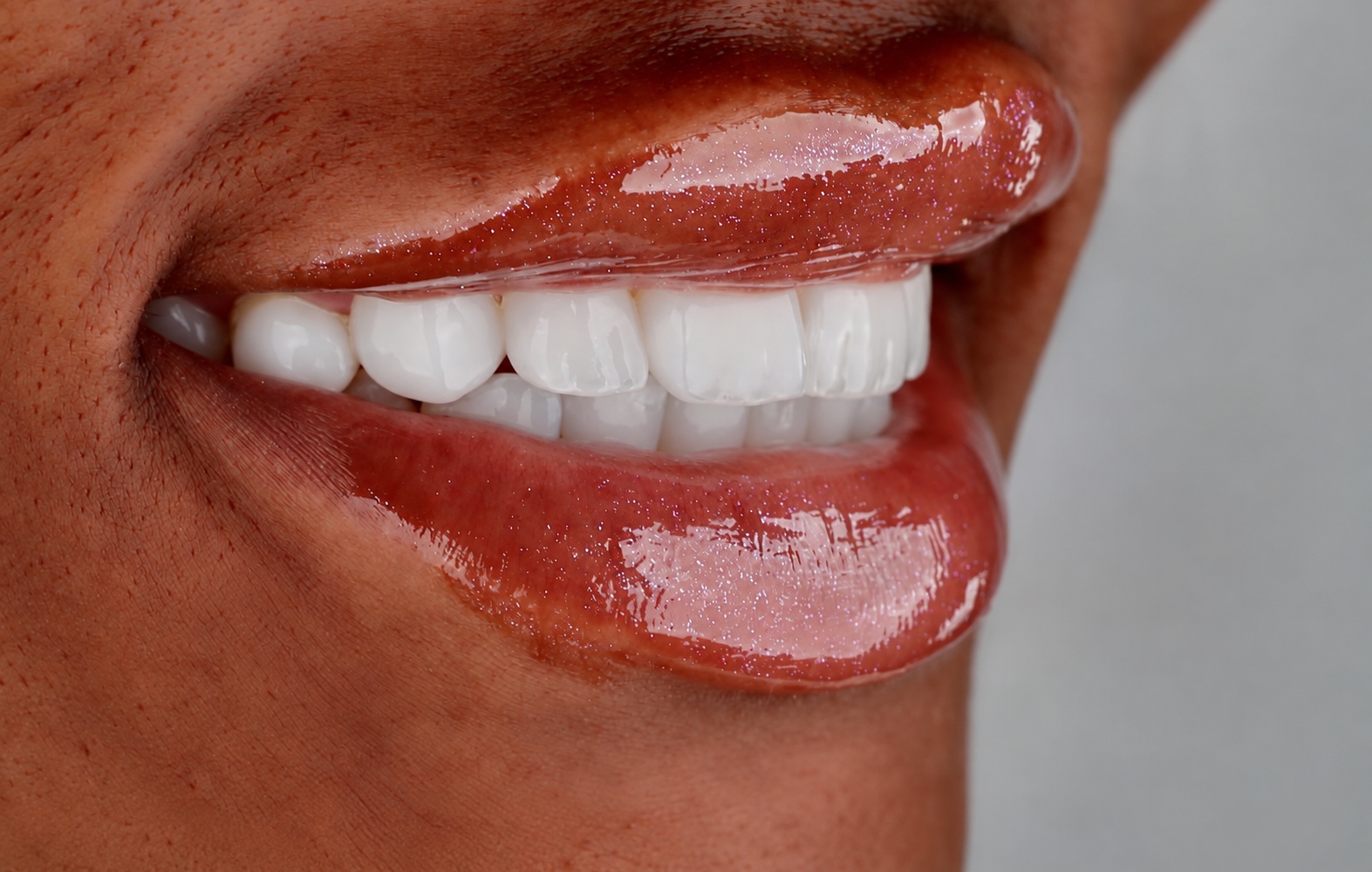
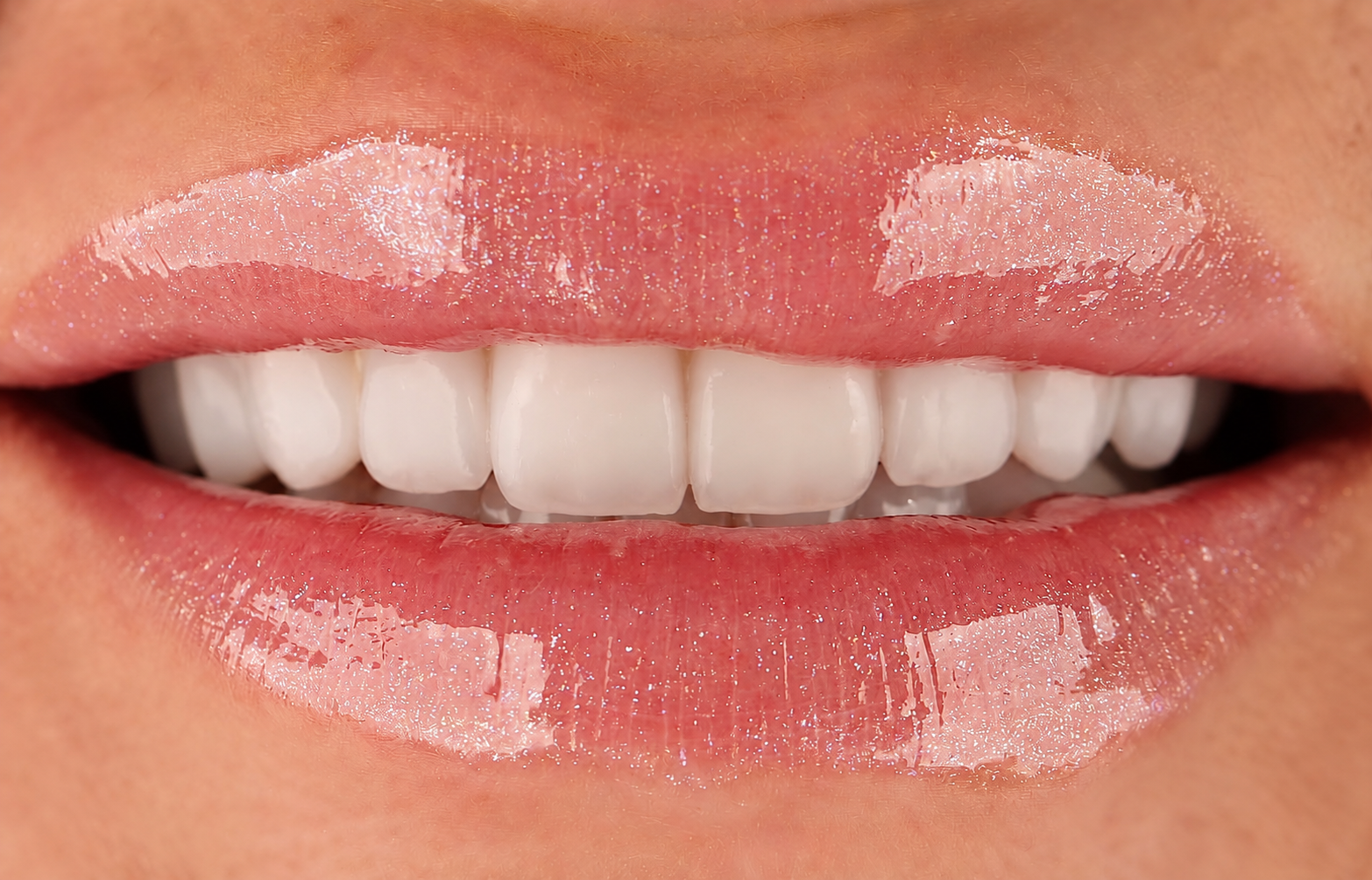
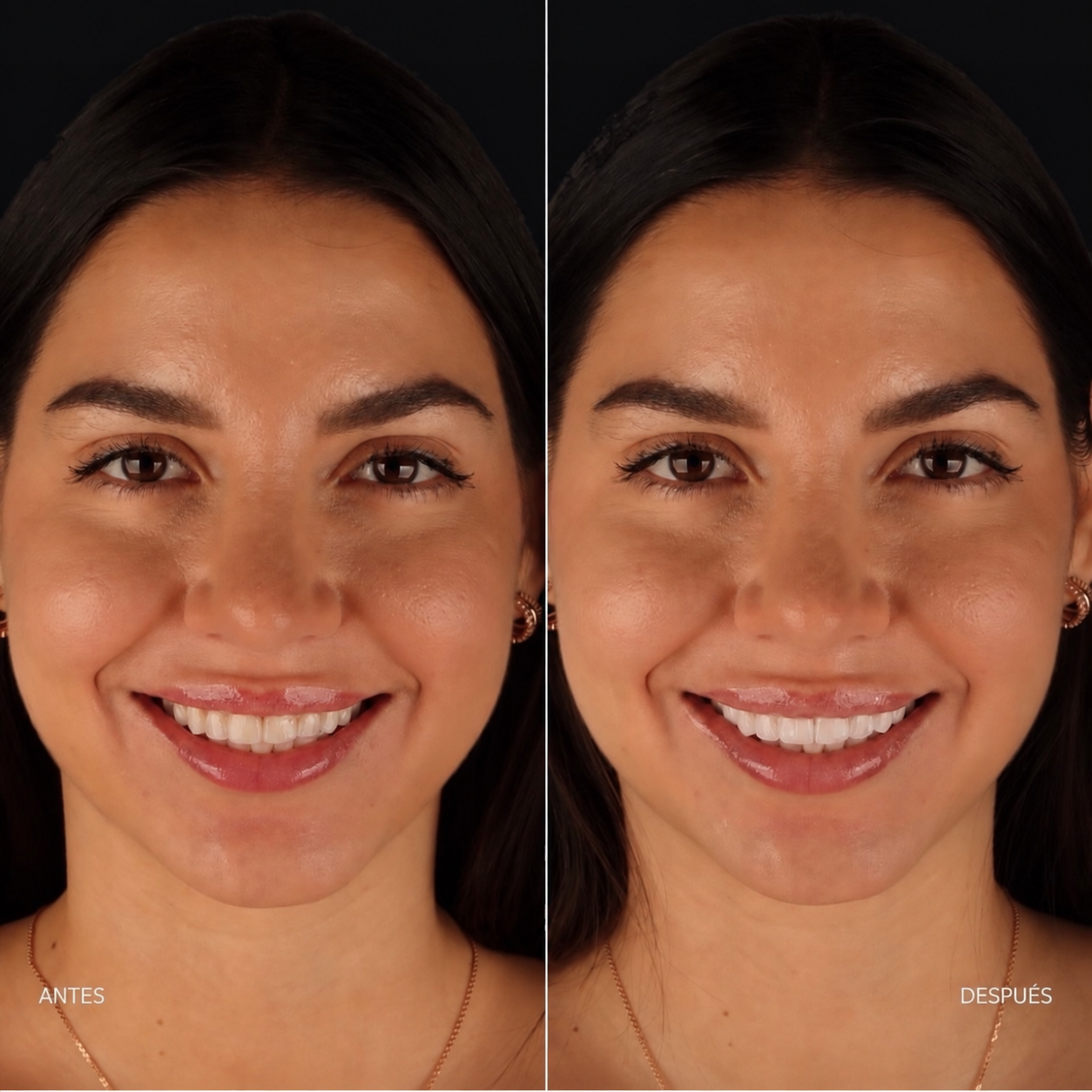
Each result belongs to an individual case. Photographs alone do not determine which treatment is appropriate.
Original SAIZ case photographs, cropped to remove branding, without dental retouching.
Photo assessment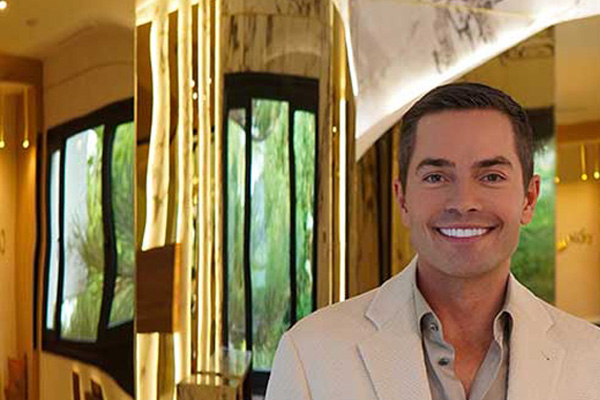
SAIZ TODAY
Carlos Saiz leads a shared clinical approach across Barcelona, Madrid and Marbella: design each smile within the face, preserve whenever possible and coordinate clinic, technology and ceramics so the result still belongs to the patient.
Meet Carlos SaizREAL CASE
A photograph does not decide the technique. But a result should stand up to close viewing: shape, proportion, texture and naturalness.
Explore more cases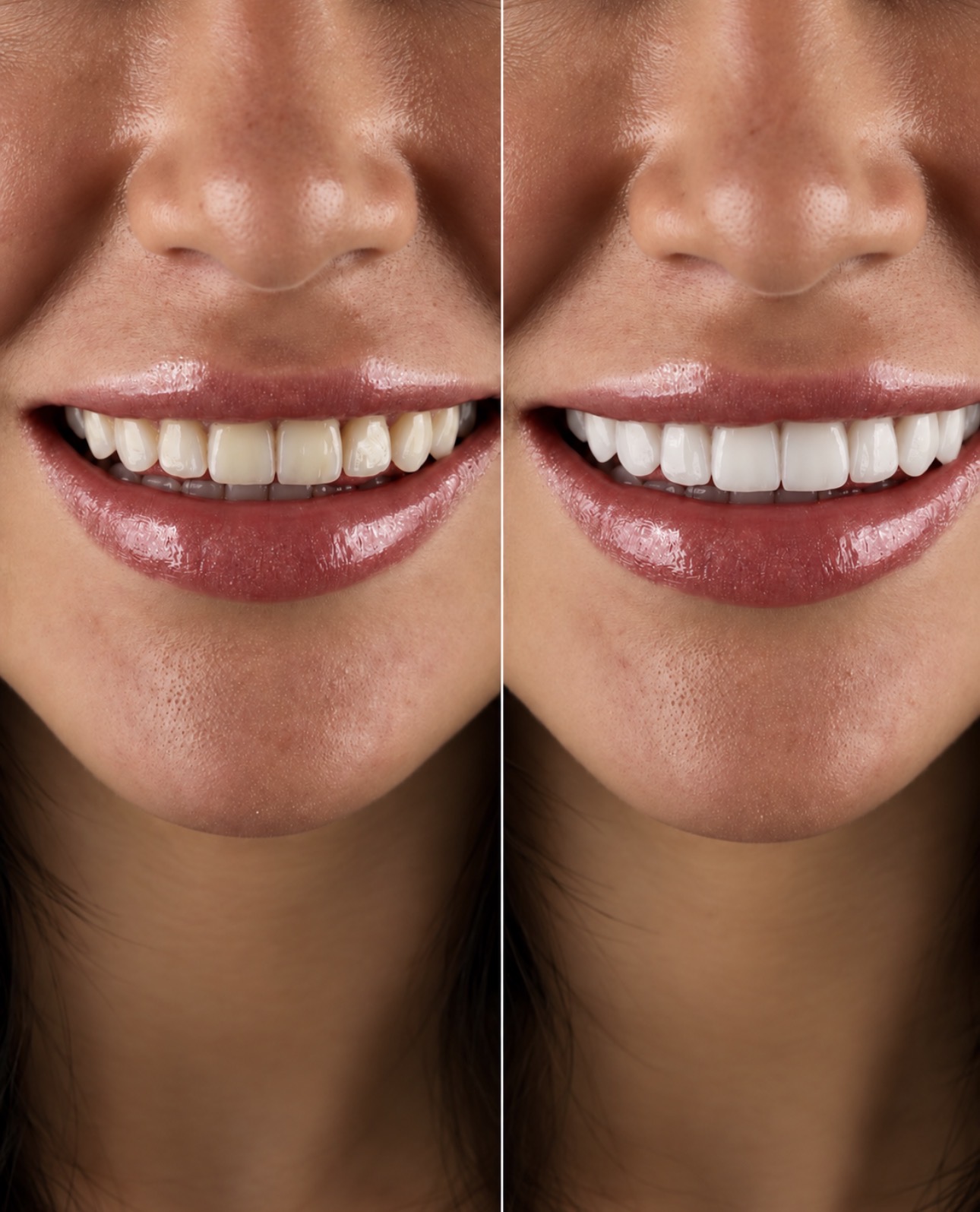
CLINICAL JUDGEMENT
Fine ceramic restorations used to refine shape, proportion or colour without turning the tooth into something it is not.
Ultra-thin ceramic veneers are fine restorations bonded to the visible surface of teeth to refine shape, colour or proportion. They may be considered for selected small spaces, worn edges or differences in tooth size.
Thickness alone does not determine quality or suitability. The appropriate thickness depends on the starting tooth and the change being planned. A thin restoration does not automatically mean that no tooth preparation will be needed.
No-prep when the case allows it; minimal preparation when that improves contour, integration and predictability.
Some teeth allow ceramic to be added without removing natural structure. Others may need limited preparation to achieve an appropriate contour and integration. The decision is made during planning, before the ceramic is manufactured.
A conservative approach means avoiding unnecessary removal of healthy tooth structure. It also means recognising when adding ceramic would create excess volume or when another treatment would be more appropriate.
Naturalness depends on proportion, texture, translucency, incisal edges and the relationship with the face.
The design considers tooth proportions, surface texture, translucency, incisal edges, the relationship with the gums and the patient’s facial features. These details matter together; choosing a shade does not complete a smile design.
The clinical team and the laboratory coordinate each ceramic restoration. A preview may help assess the direction of the design when it is useful and clinically appropriate. Photographs of other patients can help explain the approach, but do not determine your treatment or promise the same result.
Bonding, bite, habits and maintenance all influence how the treatment performs over time.
There is no single lifespan that can be promised for every patient. Bonding, bite, habits and care after treatment all affect how restorations perform over time.
Regular reviews allow the team to check the veneers, gums and function and adapt maintenance to your needs. Hygiene and any protection indicated for your case remain part of the treatment plan.
WHEN IT MAKES SENSE
Before designing the smile, the team assesses the teeth and gums, tooth position, bite, available space and aesthetic objective. The condition of the enamel and the possibility of a suitable bond are also considered.
SAIZ TECHNOLOGY
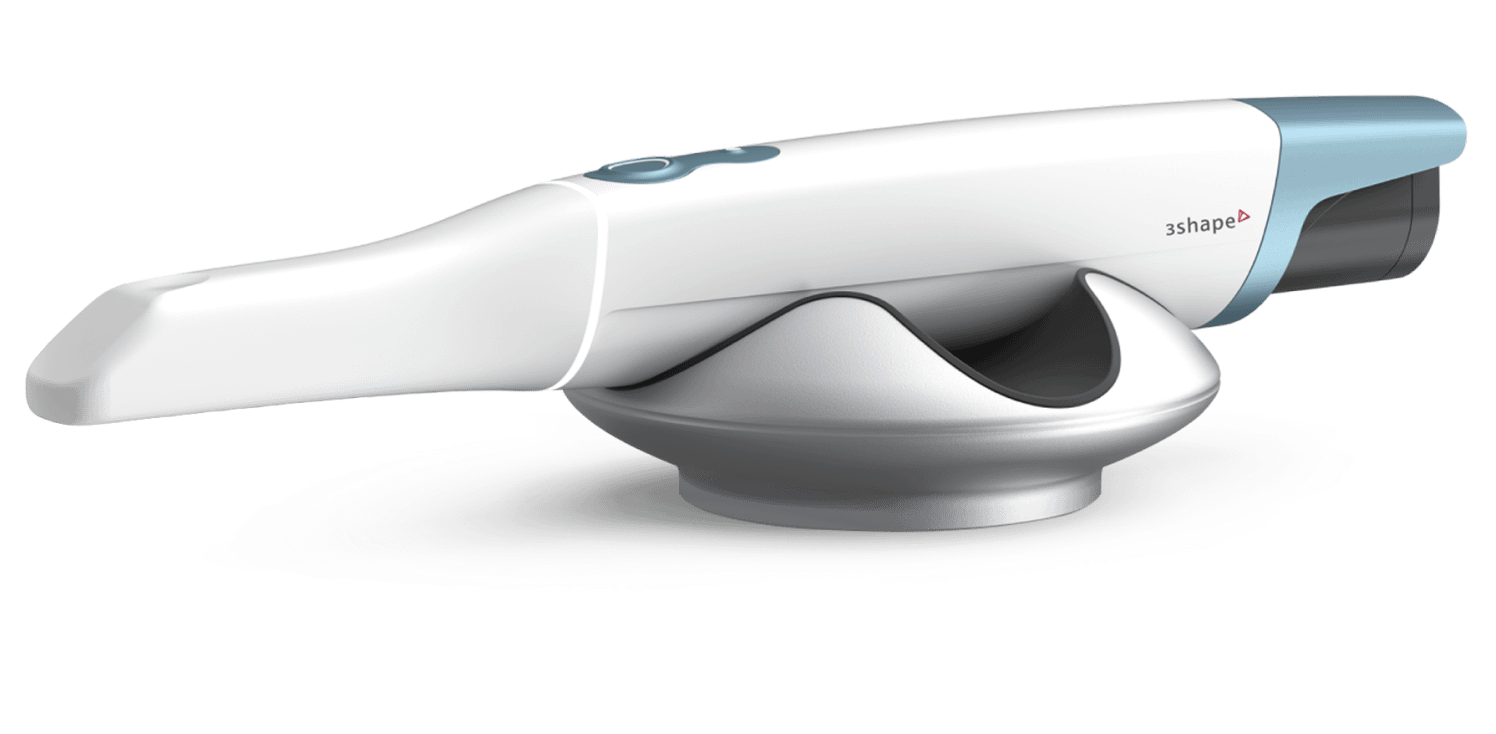
Digital records to study proportions and plan precisely.
Maintenance and prevention around teeth and restorations. Carlos Saiz is a GBT Ambassador.
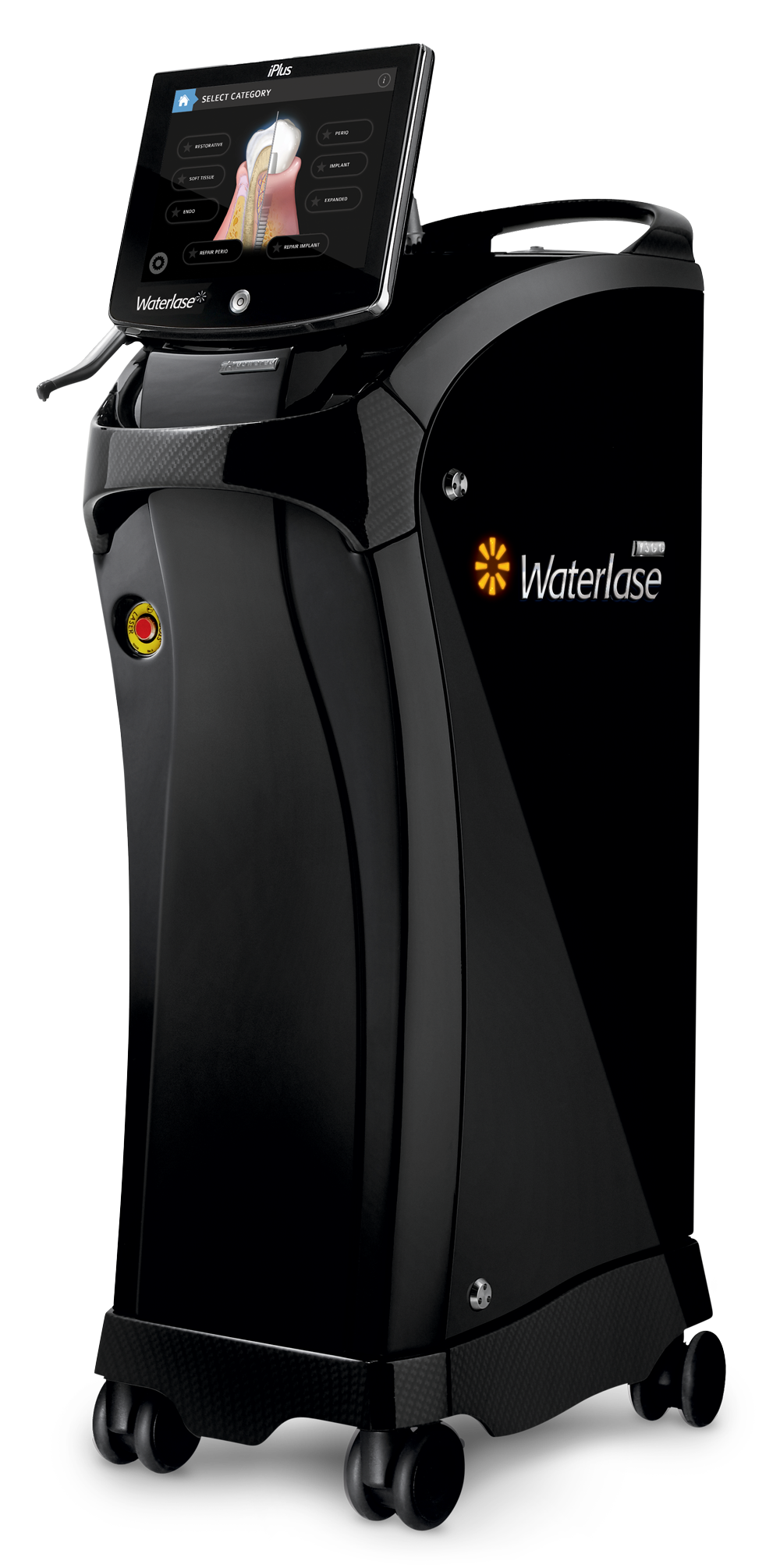
Laser-assisted veneer removal in selected cases within a conservative clinical protocol.
FINDING THE RIGHT TREATMENT
The starting point is what you would like to change. The assessment confirms which option makes sense.
FREQUENTLY ASKED QUESTIONS
Ultra-thin veneers allow a conservative approach in selected cases. A very thin restoration does not automatically mean no preparation: space, the colour change required and tooth position matter. Ask what will be added, what preparation is proposed and how excessive contours will be avoided.
No. Ultra-thin describes the restoration. No-prep describes an approach without tooth reduction. A very thin veneer does not, by itself, establish that no preparation is suitable.
A functional problem may need treatment or stabilisation first. Veneers should not conceal a bite problem that could compromise the result.
Natural appearance depends on proportion, volume, texture, translucency, incisal detail, gum integration and the way light behaves. A whiter shade or thinner veneer does not by itself create a more natural result.
Sometimes, but masking the underlying colour must be balanced with preserving translucency. Thickness, material and optical design are decided tooth by tooth; an extremely thin veneer cannot always mask a very dark substrate naturally.
There is no identical lifespan for every patient. Over time gums, bite, natural teeth or individual restorations may change. Reviews help identify wear, recession, fracture or replacement needs without assuming that every veneer must be replaced at once.
It is not decided as a package. Smile width, teeth visible when speaking and smiling, proportions, colour and the relationship between treated and untreated teeth are assessed so that no more or fewer teeth are treated than necessary.
YOUR CASE
First we understand what you want to change. Then we explain what is worth doing and what is not.
Request an assessment Barcelona · Madrid · MarbellaDr. Carlos Saiz · Professional registration no. 3756
Barcelona · Healthcare registration E08628853
Madrid · Healthcare registration CS17392
Marbella · NICA 65339
CARLOS SAIZ SMILE, S.L.P.U. · NIF B56991870 · Legal notice